Which Kathmandu family tour suits which age?
Shorter is safer for most families, because the long tours have little room for a tired child. These matches are our own suggestions, based on each tour’s length and pace. Your child may be different.
| Age | Good first choice | Why |
|---|---|---|
| Under 5 | Half day tour, 4 hours | Short, with an unhurried pace |
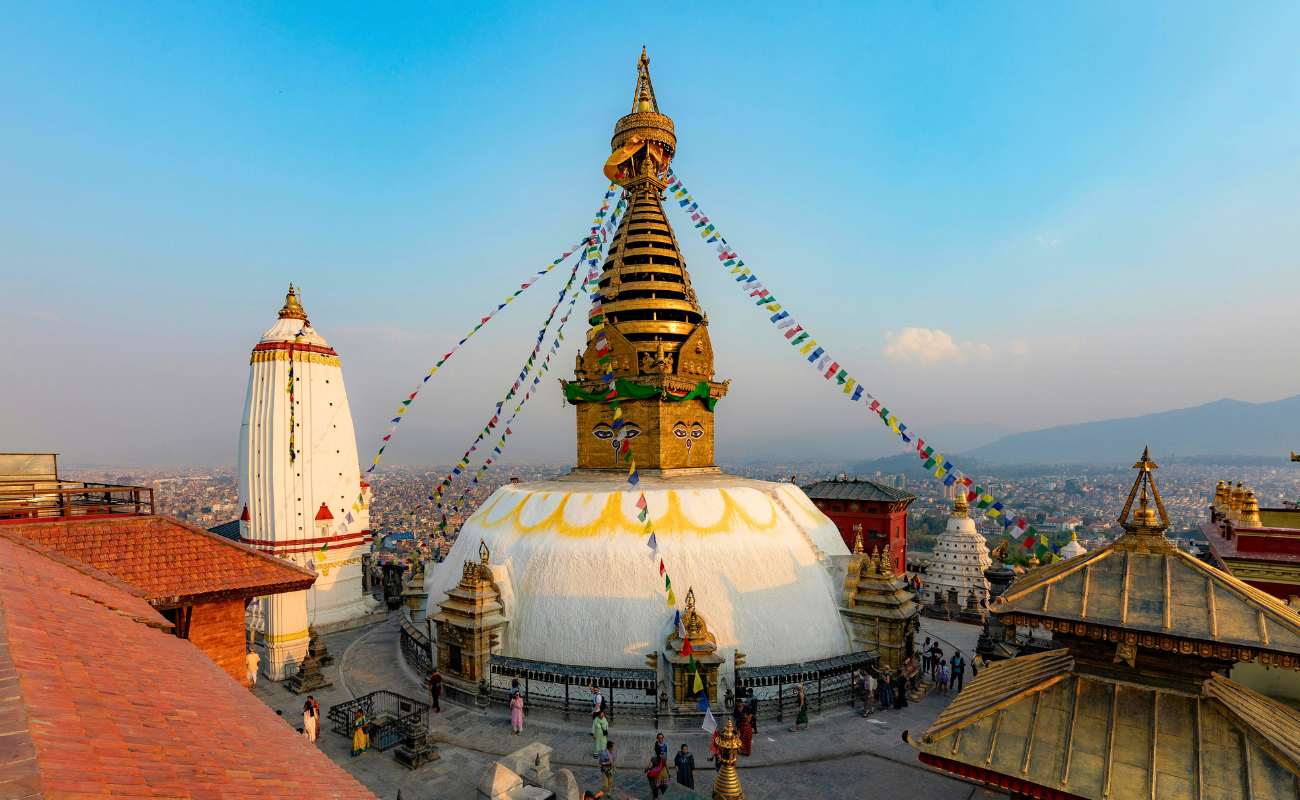
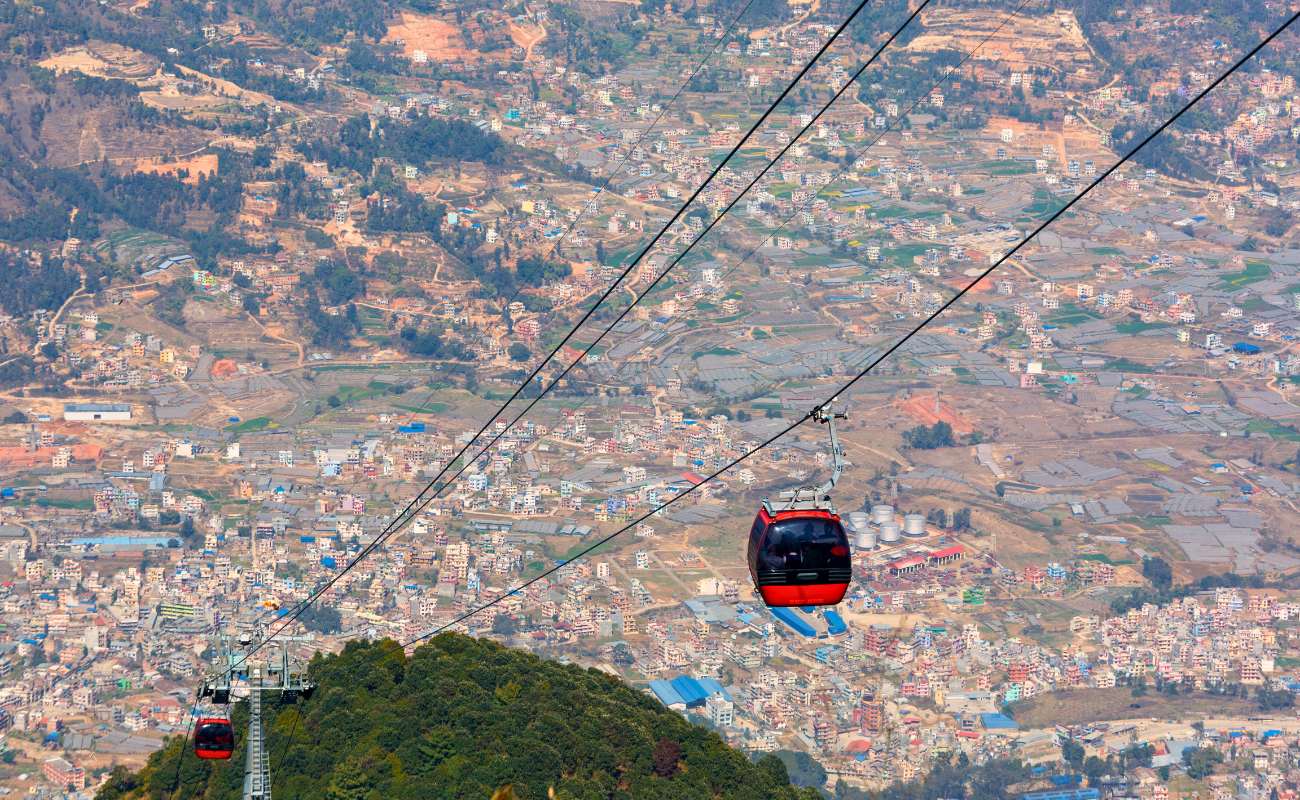
| 5 to 9 | Chandragiri cable car and Swayambhunath, 5 to 6 hours | A cable car ride and the monkeys to watch |
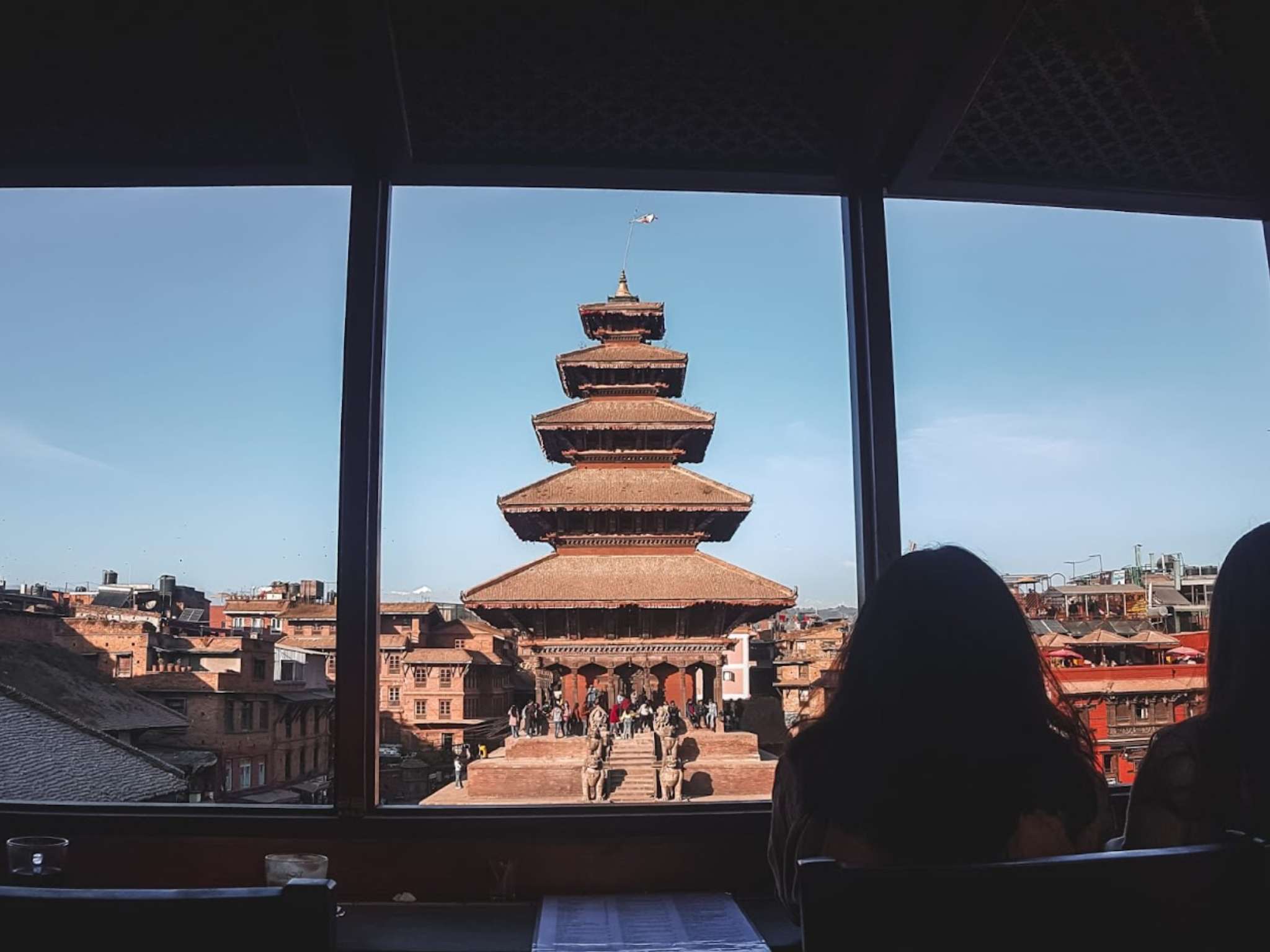
| 8 to 12 | Bhaktapur with Changu Narayan, 6 to 7 hours | Central Bhaktapur has little traffic, and one operator suggests it for watching potters |
| 10 and over | 7 UNESCO sites in 2 days, 6 to 7 hours a day | The same sites without the rush |
| Teenagers | Nagarkot sunrise and Bhaktapur, 6 to 8 hours | Good if everyone will accept a start before dawn |
We wouldn’t choose the 7 sites in one day tour with children. It runs 9 to 11 hours, and a comparable itinerary on Tripadvisor allows only about 5 hours 25 minutes on site. The Nagarkot hike to Changu Narayan is also a poor fit for most young children, as it’s the most active day we list.
Private usually suits families better than group, though it costs more. A private tour is only your party, with hotel pick-up included. You choose the start time, and you can change the pace on the day, or on most tours swap a stop. A group tour costs less per person, but other travellers share it, and it has a fixed start time, route and schedule that can’t wait for a tired child.
How much do children pay at the sites?
Children under 10 enter free at four of the seven heritage sites, according to the Nepal Tourism Board in November 2026. The board lists no child rate for the other three, so ask at the counter. See the entry fees guide for adult rates.
| Place | Child rule listed |
|---|---|
| Kathmandu Durbar Square | Under 10 free |
| Bhaktapur Durbar Square | Under 10 free |
| Swayambhunath | Under 10 free |
| Boudhanath | Under 10 free |
| Patan, Pashupatinath, Changu Narayan | No child rate listed |
| Garden of Dreams | Under 5 free, NPR 50 for ages 5 to 11 |
| Central Zoo | NPR 250 for foreign children aged 4 to 12, against NPR 1,000 for foreign adults |
The Chandragiri cable car goes by height. Its operator lists free rides for children up to 3 ft and 40% off between 3 and 4 ft. It also says its discounts are for Nepali nationals only, so foreign families should ask first. Children aged 11 or younger must be with someone aged 15 or older.
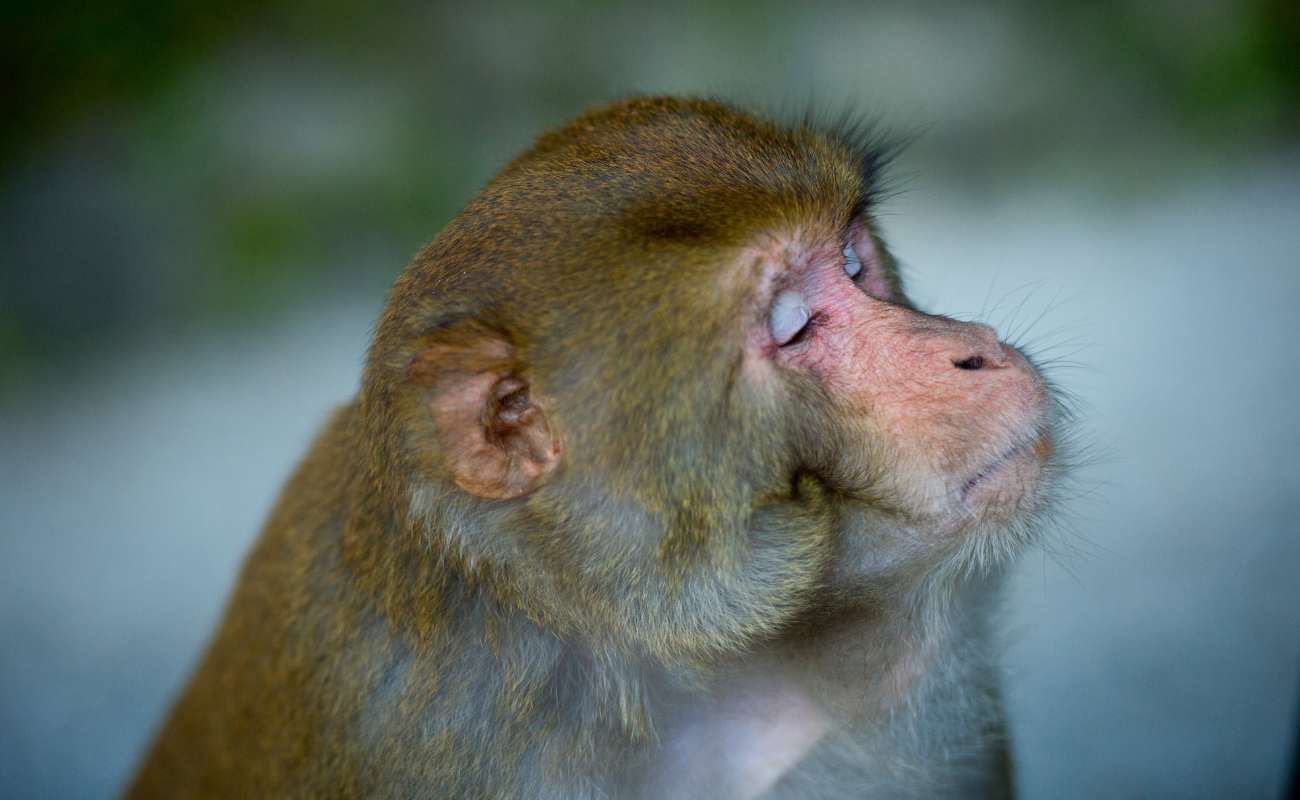
How do you stay safe around monkeys at Swayambhunath?
Keep your distance and don’t carry food. Swayambhunath is a Buddhist stupa on a hill in the west of Kathmandu, and hundreds of monkeys live there, according to a 2023 Kathmandu Post column. CIWEC, a Kathmandu travel hospital, says monkey bites and scratches made up 43% of tourist rabies exposures in one of its studies, most often at Swayambhunath and around Pashupatinath.
Sources put the risk in different ways. The Kathmandu Post column says no rabies case from a monkey bite has been documented in Nepal, but that it can’t be ruled out. CIWEC says monkeys can transmit rabies, and that dogs cause more than 96% of cases.
Teach children these rules before you go:
- Don’t touch: no monkeys, dogs or puppies, however friendly they look.
- Don’t feed: the US CDC says not to touch or feed animals you don’t know.
- Baby monkeys: stay well away, as CIWEC advises.
- Tell an adult: any bite or scratch counts, even a small one.
If it happens, wash the wound with soap and water for about 15 minutes, as Canada’s travel advice says. Then go to a doctor right away, as the US CDC advises. CIWEC is open 24 hours on +977-1-4524111 and stocks rabies treatment. CIWEC recommends rabies vaccine before travel for most travellers. Ask your doctor at home well before you leave, because the CDC says rabies vaccine may only be available at larger medical facilities after an exposure.
Which sites have the most stairs?
Swayambhunath has by far the longest climb. Guides often quote 365 steps, but ECS Nepal found published counts of 318, 326, 360 and 424, and traced 365 to an unsourced Wikipedia figure. One operator says a road also reaches the top, and HI DMC suggests a taxi to the rear entrance for young children.
Boudhanath is the easy one. HI DMC describes a flat, spacious courtyard that suits pushchairs. Rough Guides calls central Bhaktapur car-free and good for small legs and pushchairs. For more detail, see the guide to steps and mobility at the sites.
Where can children take a break?
Breaks need planning, because open space is scarce. One family blog says the Garden of Dreams is the only place in downtown Kathmandu to relax on grass. Its official site lists opening hours of 9 am to 9 pm daily.
Other options we found:
- Boudhanath: HI DMC mentions several rooftop cafés that overlook the stupa. Expect stairs.
- Chandragiri: the operator lists a free play area for children at the hilltop.
- Thamel: the same family blog says rooftop restaurants usually have child-friendly food, and warns that motorbikes pass close, so hold small hands.
Bring tissue and hand sanitiser for toilets, as Rough Guides advises. It also warns not to count on baby food or nappies outside the main cities.
What’s safe for children to eat and drink?
Hot, freshly cooked food and sealed drinks are the safest basics. CIWEC says to assume all tap and ground water in Nepal is contaminated, and that bottled water is reasonably safe. The CDC also says to avoid ice, cut fruit and salads, and brush teeth with bottled or disinfected water.
Children can dehydrate quickly. CIWEC advises getting them to drink often if they have diarrhoea, and names oral rehydration salts sold locally as Nava Jeevan and Jeevan Jal. It says the risk of diarrhoea is higher from April to September.
The CDC advises avoiding street vendors. If you do eat there, it says to choose food that’s cooked and steaming hot. For that reason, the Kathmandu Street Food Walk isn’t our pick for young children.
Should children see the cremations at Pashupatinath?
That’s your decision, so talk about it before you go. Pashupatinath is a Hindu temple complex on the Bagmati River, and open-air cremations take place on its ghats (the stone riverside steps). One operator advises telling younger children beforehand and deciding then.
If you’d rather skip it, ask for a site swap on a private tour. The half day tour and the Chandragiri tour don’t go there.
What about seat belts, altitude and air quality?
Seat belts need asking about in advance. The UK government says only the driver must wear one by law, and that some taxis have them for passengers. We couldn’t confirm that child seats are available, so tell us your child’s age and ask.
Altitude is mainly a question at Chandragiri, where the cable car rises from 1,550 m to 2,551 m. The CDC says children are as susceptible to altitude illness as adults, while Rough Guides says they can be more sensitive. Both agree that symptoms need attention, so come down if a child feels unwell.
Air quality varies. In March 2026, IQAir recorded an index of 206 in Kathmandu, and the Health Ministry urged special care for children and advised avoiding outdoor activity in the morning and evening. Check a live reading on the day, and pack masks.
Tell us your children’s ages, your hotel and any walking limits when you ask about a tour. We’ll reply with a price and a start time.