What should you wear in Kathmandu?
Pack light layers and clothes that cover your shoulders and knees. Those two choices handle almost every site and season. Add a warm jacket from November to February, and a rain jacket from June to September.
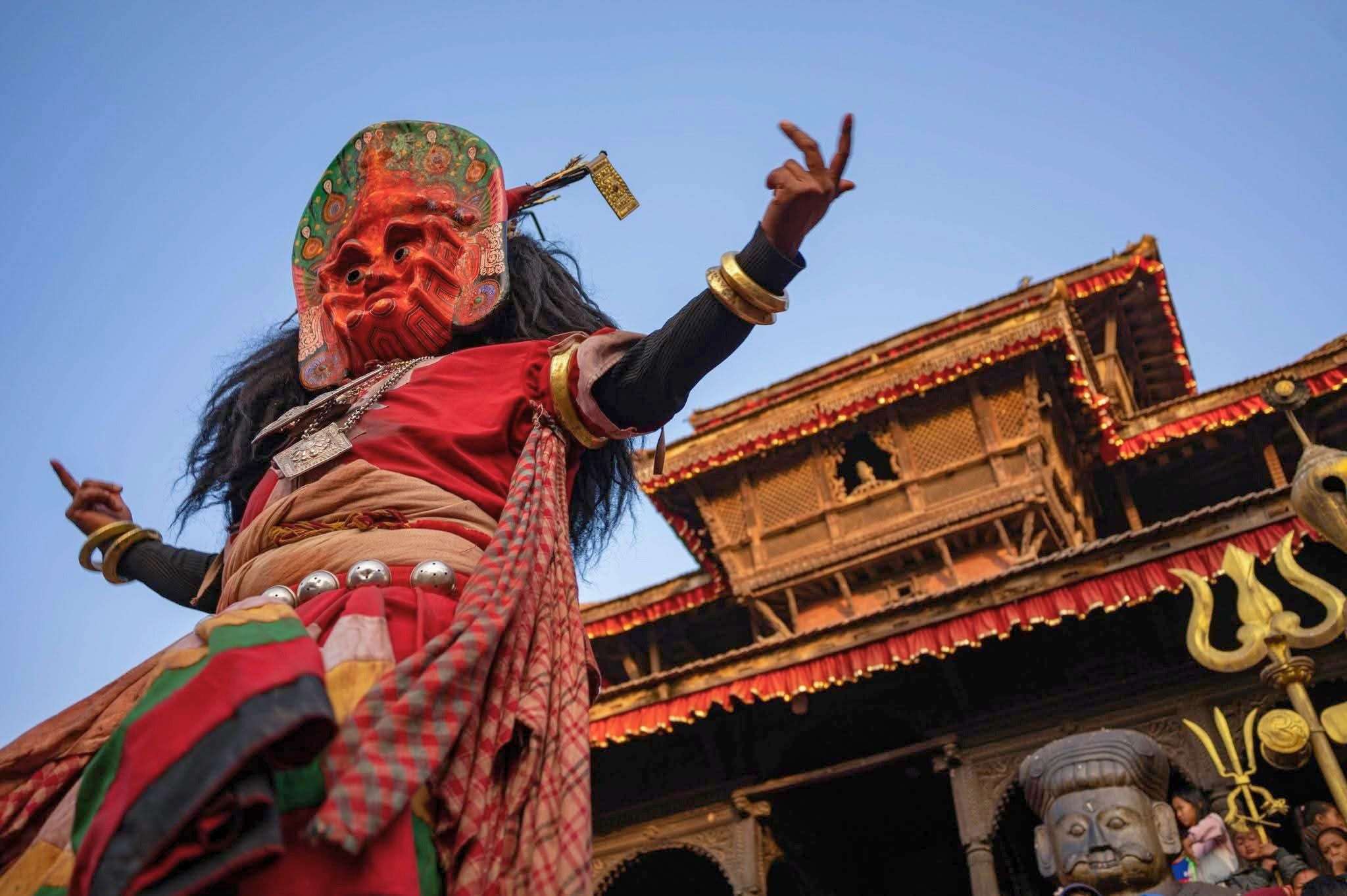
The valley’s temples are places of worship, and the rules there are stricter than on the street. The Nepal Tourism Board asks visitors to “show decency in dress”, and notes that skimpy outfits are frowned upon, especially in rural areas.
What are the temple dress rules?
Most temples expect modest clothes, shoes off before going inside, and sometimes no leather. Rules vary, so read any notice at the gate.
These come from the Nepal Tourism Board’s etiquette pages:
- Take your shoes off before entering a place of worship.
- Walk around temples and stupas clockwise.
- Leather articles are banned inside some temple areas.
- Ask before taking photographs inside temples or of religious ceremonies.
- Some temples don’t allow non-Hindus to enter, so look for notices.
Keep a thin pair of socks in your bag if stone floors bother you. Slip-on shoes save you time at each door.

What should you wear by season?
Dress for a warm afternoon and a much cooler morning, because the daily range is wide. The figures here are World Meteorological Organization normals for 1991 to 2020 at Kathmandu’s airport, as reproduced in Wikipedia’s climate table. The clothing notes are our own suggestions.
| Months | Average high and low | What to pack |
|---|---|---|
| December to February | 19 to 22 C, 3 to 5 C at night | Warm jacket, fleece, long trousers, hat for early starts. Bring warm sleepwear if your hotel has no heating |
| March and April | 26 to 29 C, 9 to 12 C at night | Long sleeves that breathe, a light fleece for evenings, a sun hat, a mask for hazy days |
| May | 29 C, 16 C at night | Light long clothes, a rain jacket as showers build, sun protection |
| June to September | 29 to 30 C, 19 to 20 C at night | Quick-dry clothes, rain jacket, shoes that can get wet, a spare shirt |
| October | 27 C, 14 C at night | Long sleeves and a light layer, a jacket for sunrise trips |
| November | 24 C, 8 C at night | Layers, plus a warm jacket for evenings and mornings |
What to wear in October
October afternoons average about 27 C, and nights about 14 C. Pack a shirt or light top for the day and one warm layer. Rain averages 43 mm, so a small rain jacket is still sensible early in the month. The 2026 monsoon didn’t withdraw until 14 October.
What to wear in November
November days are still comfortable at about 24 C, but nights fall to about 8 C. It’s also the driest time, with about 6 mm of rain on average. Leave the rain jacket at home, and bring a real warm layer for mornings.
What to wear in March
March averages about 26 C by day and 9 C at night. Layers work well. Haze and dust build in spring, so add a mask if you’re sensitive to bad air.
What should you wear at each site?
Pashupatinath asks the most of you, and Swayambhunath and Changu Narayan ask the most of your feet. Use this table when planning each day.
| Site | Clothing | Feet and practical points |
|---|---|---|
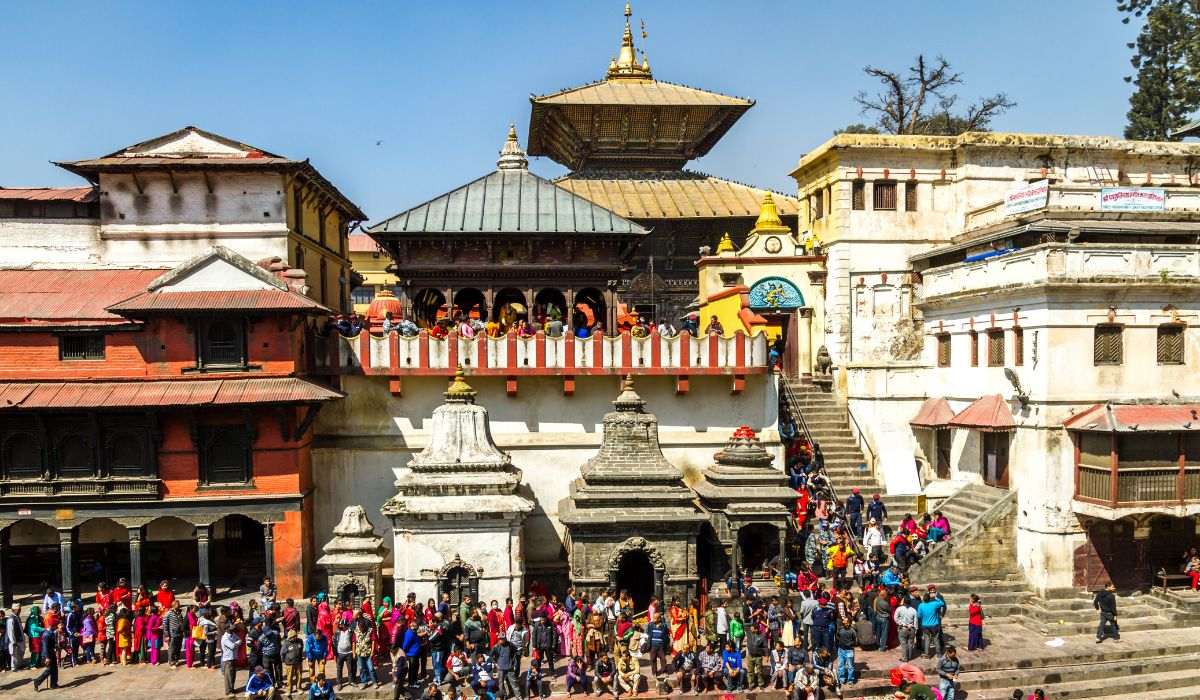
| Pashupatinath | Long trousers or a long skirt, and sleeves. The trust bans shorts and sleeveless tops on temple grounds | Shoes off at shrines. Leave leather behind if you can |
| Swayambhunath | Modest clothes | Grip shoes. The main stairway is commonly given as 365 steps, though published counts run from 318 to 424. Keep food out of sight, because of the monkeys |
| Boudhanath | Modest clothes, plus shoes off inside monasteries | Any comfortable shoe that slips off easily |
| Kathmandu Durbar Square | Modest clothes for temple steps and Kumari Ghar | Comfortable shoes, and watch for traffic at the edges |
| Patan Durbar Square | Modest clothes | Comfortable walking shoes |
| Bhaktapur Durbar Square | Modest clothes, plus a hat, as you’ll be outside for hours | Long walking day. In Your Pocket describes the historic core as largely car-free |
| Changu Narayan | Modest clothes | Kathmandu.im describes a 30-minute uphill walk from the base of the ridge and recommends comfortable shoes |
| Nagarkot | Warm jacket, hat and gloves for sunrise from about November to February | About 2,175 to 2,195 m, roughly 800 m above Kathmandu’s airport |
| Chandragiri | Warm or windproof layer | The top station is at 2,551 m, according to Chandragiri Hills, over 1,000 m above the city |

How strict is Pashupatinath?
Pashupatinath has the strictest published rule of any site on this list. Pashupati Area Development Trust, which runs the temple, says modest and traditional dress is required, and that shorts, sleeveless tops and western casual wear aren’t allowed on temple grounds.
The trust also says shoes must come off before entering any shrine. We couldn’t confirm how strictly “western casual wear” is enforced for foreign visitors on the outer grounds, so dress on the safe side. Long, loose trousers or a long skirt and a covered top are a safe choice.
Sources differ on leather. The Nepal Tourism Board says items such as shoes, belts and cameras must not be taken inside the temple complex. The trust’s own visitor page doesn’t mention leather at all. The main temple is for Hindus only, so this matters most to Hindu visitors going inside. Anyone can avoid the issue by leaving a leather belt at the hotel.
Our Pashupatinath non-Hindu rules page covers what visitors can and can’t do. Please dress and behave with extra care near the cremation ghats, where families are grieving.
How should women dress in Nepal?
Women can dress much as they would for any modest place, and the board’s guidance applies to everyone. Loose trousers or long skirts, and tops that cover the shoulders, work at every site on this page. The board says skimpy outfits are frowned upon, especially in rural areas.
A large scarf is the most useful thing you can pack. It covers your shoulders at a temple, keeps dust off, and adds warmth on a cold morning. Our solo women guide has more on travelling alone.
What shoes should you bring?
Bring one comfortable pair with good grip that’s easy to take off. You’ll walk a lot, and you’ll remove your shoes often. If you’re heading to Nagarkot or Shivapuri for a hike, closed walking shoes make more sense than sandals.
Wet stone gets slippery, so take extra care in the monsoon. Sandals are fine on flat ground in the city, but they’re a poor choice for Swayambhunath’s steps or the walk up to Changu Narayan. Our steps and mobility guide covers which sites involve the most climbing.
What else should you pack?
A few small items make a big difference on a full day out. All of these are our suggestions, not requirements.
- A mask: the Himalayan Times reported in April 2025 that the Ministry of Health advised people to wear masks during bad air. Wikivoyage also suggests one.
- Small rupee notes: useful for donations and small shrine fees.
- A small bag: easier in crowded lanes, and you can carry a layer as the day warms up.
- Sun protection: a hat and sunscreen for the long outdoor squares.
- Umbrella or rain jacket: from June to September, and carry it in May and early October too.
For your dates, check the weather table on our best time to visit Kathmandu page. If you’ve joined a tour, you don’t need anything special beyond this list, although a Nagarkot Sunrise Tour needs the warmest layer you’ve packed.